
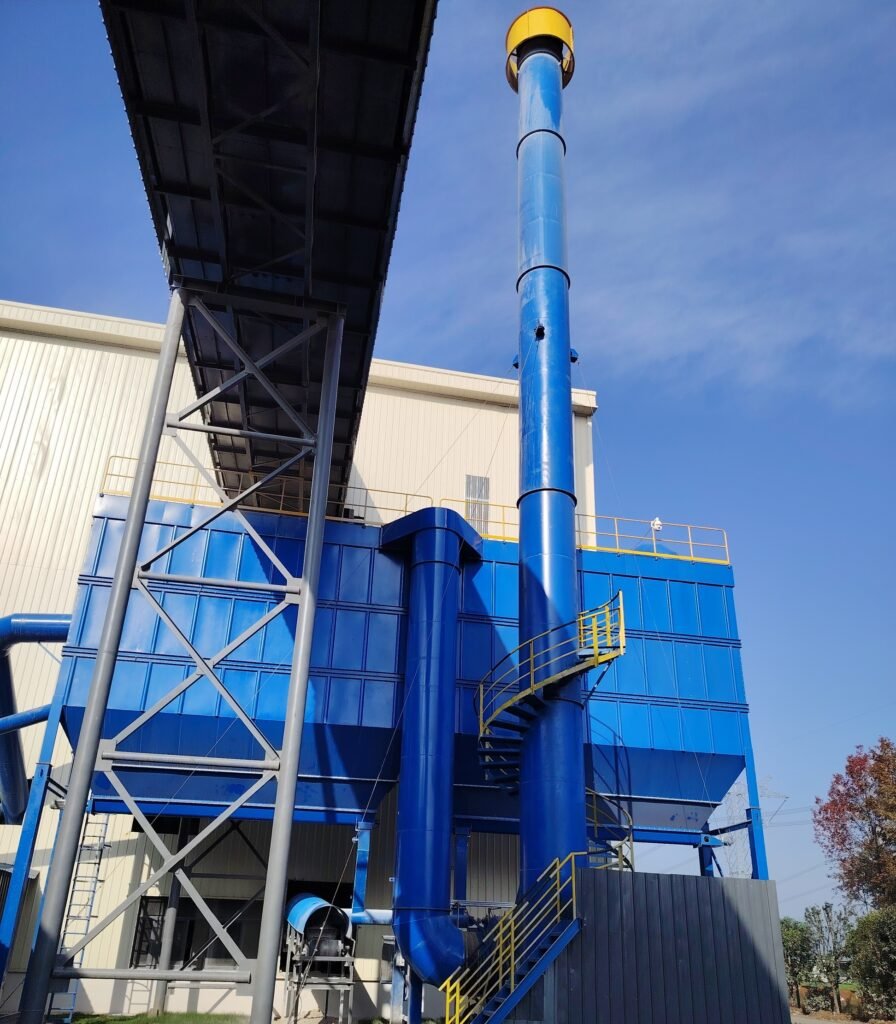
Woodworking projects—from cutting and sanding to planing and routing—generate massive amounts of wood dust, which is more than just a nuisance. A high-quality dust collector for woodworking is a non-negotiable investment for any workshop, whether it’s a small home studio or a large industrial facility. It protects workers’ health, ensures regulatory compliance, and preserves both equipment and work quality.
Wood dust poses serious risks: fine particles can penetrate deep into the respiratory system, leading to chronic conditions like asthma or even carcinogenic risks, especially with treated woods or MDF. Additionally, wood dust is highly combustible, making uncollected dust a major fire and explosion hazard in enclosed spaces. A reliable dust collector for woodworking captures dust at the source, preventing it from dispersing into the air and accumulating on machinery or surfaces.
When choosing a dust collector for woodworking, consider your workshop size and workflow. Smaller shops may benefit from portable, compact models like filter cartridge collectors, which offer high filtration precision (down to 0.3 microns) and easy maintenance. Larger facilities or those with multiple tools require central dust collection systems, which connect to all equipment via ductwork for comprehensive dust control, often combining cyclone separation and high-efficiency filtration for optimal performance.
Key features to prioritize in a dust collector for woodworking include anti-static and explosion-proof designs, which eliminate electrostatic buildup and reduce fire risks. High filtration efficiency (ideally 99.9% or higher) ensures compliance with OSHA and EU regulations, which set strict limits on airborne dust concentrations. Low noise levels and energy-saving capabilities also enhance usability, keeping the workshop comfortable and reducing operational costs.
Investing in a dust collector for woodworking isn’t just about safety—it also boosts efficiency. Clean air reduces equipment wear, as dust buildup can damage motors and moving parts, minimizing downtime for repairs. Reclaiming collected wood dust can even add value, as it can be repurposed for fuel or other projects, supporting sustainable operations.
Don’t compromise on your workshop’s safety or productivity. A well-chosen dust collector for woodworking is an essential tool that protects your team, keeps your space compliant, and ensures your woodworking projects are completed to the highest standard. Choose a system tailored to your needs, and enjoy a cleaner, safer, and more efficient workspace.
