
In modern industrial environments, maintaining clean and safe air is not just a regulatory requirement—it’s essential for operational efficiency and worker health. A dust collector plays a critical role in controlling airborne particles, ensuring a cleaner workspace and improved productivity across various industries.
What Is a Dust Collector?
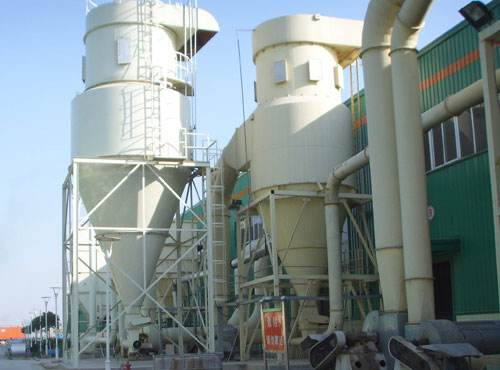
A dust collector is an air pollution control device designed to capture, filter, and remove dust and other particulates from the air or gas. It is commonly used in manufacturing plants, cement factories, mining operations, woodworking shops, and food processing facilities.
By removing harmful dust particles, these systems help protect workers from respiratory issues and reduce environmental impact.
How Does a Dust Collector Work?
Dust collectors operate by drawing in contaminated air through a filtration system. The process generally involves:
- Air Intake – Dust-laden air enters the system.
- Filtration – Filters, cartridges, or bags capture fine particles.
- Clean Air Release – Purified air is released back into the environment.
- Dust Collection – Collected dust is stored for disposal or recycling.
Advanced systems use pulse-jet cleaning or cyclone separation to improve efficiency and extend filter life.
Types of Dust Collectors
There are several types of dust collectors available, each suited for specific applications:
- Baghouse Dust Collectors
Ideal for heavy-duty industrial use, offering high filtration efficiency. - Cartridge Dust Collectors
Compact and efficient, suitable for fine dust particles and limited spaces. - Cyclone Dust Collectors
Use centrifugal force to separate large particles before filtration. - Wet Scrubbers
Utilize liquid to capture dust, especially useful for combustible dust.
Choosing the right type depends on factors like dust size, airflow requirements, and industry standards.
Benefits of Using a Dust Collector
Investing in a high-quality dust collector offers numerous advantages:
- Improved Air Quality – Removes harmful airborne particles.
- Enhanced Worker Safety – Reduces risk of respiratory diseases.
- Regulatory Compliance – Meets OSHA and environmental standards.
- Equipment Protection – Prevents dust buildup that can damage machinery.
- Increased Productivity – Cleaner environments lead to better efficiency.
Applications Across Industries
Dust collectors are widely used in:
- Cement and construction industries
- Metalworking and fabrication
- Woodworking and furniture manufacturing
- Food and pharmaceutical production
- Mining and mineral processing
Each application requires tailored solutions to handle specific dust characteristics.
How to Choose the Right Dust Collector
When selecting a dust collector, consider the following:
- Airflow capacity (CFM)
- Type and size of dust particles
- Filter efficiency requirements
- Space availability
- Maintenance needs
Working with a reliable manufacturer ensures you get a system designed for your specific operation.
Conclusion
A dust collector is an essential investment for any industry dealing with airborne particles. It not only ensures compliance with environmental regulations but also enhances workplace safety and operational efficiency. By choosing the right system, businesses can significantly improve air quality and maintain a cleaner, healthier environment.
